

Hey there! As a plant extracts supplier, I often get asked how these amazing plant - derived substances work in the body. It's a super interesting topic, so let's dive right in.
Basics of Plant Extracts
First off, what are plant extracts? Well, they're basically concentrated forms of the beneficial compounds found in plants. These extracts are made by isolating and concentrating specific chemicals from different parts of plants, like leaves, roots, or fruits. We use various methods to get these extracts, such as solvent extraction, steam distillation, and cold - pressing.
Plants are like little chemical factories. They produce all sorts of compounds to protect themselves from pests, diseases, and environmental stress. Some of these compounds can have really cool effects on our bodies when we consume them.
How Plant Extracts Enter the Body
When we take plant extracts, they usually enter our body through the digestive system. If it's in the form of a capsule or a liquid supplement, we swallow it, and it goes to the stomach. The stomach starts breaking it down with its acidic environment. Then, the partially digested extract moves to the small intestine. This is where most of the absorption happens. The small intestine has a huge surface area with tiny finger - like projections called villi. These villi are lined with cells that can absorb the plant extract compounds into the bloodstream.
Some plant extracts can also be absorbed through the skin. For example, when we use skincare products with plant extracts, the compounds can penetrate the outer layer of the skin and reach the underlying tissues. And in some cases, like with essential oils, they can be inhaled. When we inhale the vapors of essential oils, the molecules enter our respiratory system and can have an impact on our body and mind.
Mechanisms of Action in the Body
Antioxidant Activity
One of the most common ways plant extracts work is by acting as antioxidants. Oxidation is a natural process in our body, but it can also produce harmful free radicals. These free radicals can damage our cells, proteins, and DNA, which is linked to aging, cancer, and other diseases.
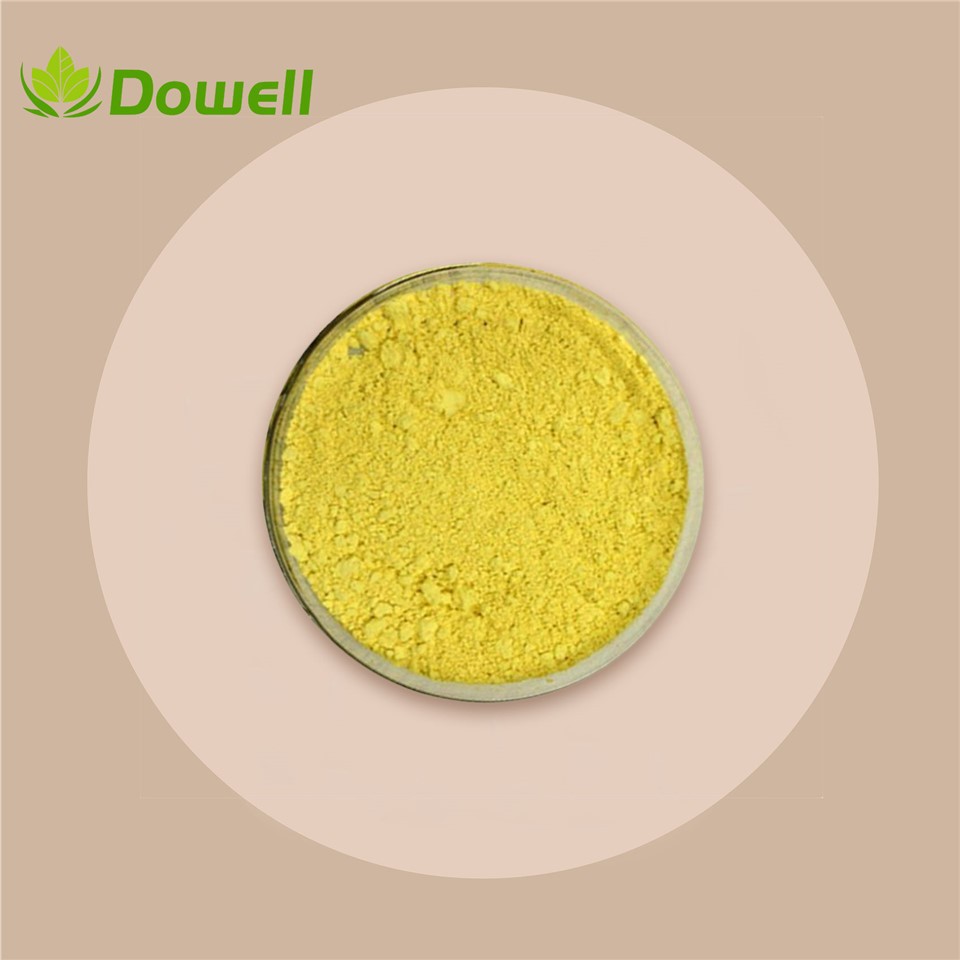
Many plant extracts are rich in antioxidants like flavonoids, polyphenols, and vitamins. Take Quercetin 95% for example. Quercetin is a flavonoid found in many fruits and vegetables. It can neutralize free radicals, preventing them from causing damage. It also helps to boost the activity of our body's own antioxidant enzymes, like superoxide dismutase and glutathione peroxidase. This double - action helps to keep our cells healthy and reduces the risk of oxidative stress - related diseases.

Anti - Inflammatory Effects
Inflammation is our body's natural response to injury or infection. But chronic inflammation can lead to problems like arthritis, heart disease, and even some cancers. Plant extracts can play a big role in reducing inflammation.
Some plant extracts contain compounds that can inhibit the production of pro - inflammatory cytokines. These are proteins that are involved in the inflammation process. For instance, curcumin, an extract from turmeric, has been shown to block the activation of NF - κB, a protein complex that regulates the expression of genes related to inflammation. By doing so, curcumin can reduce swelling, pain, and redness associated with inflammation.
Hormonal Regulation
Certain plant extracts can also affect our hormonal balance. Hydrolyzed soy protein is a good example. Soy contains isoflavones, which are phytoestrogens. These compounds have a similar structure to the female hormone estrogen. In women, especially during menopause, soy isoflavones can help to alleviate symptoms like hot flashes and night sweats by binding to estrogen receptors in the body and mimicking the effects of estrogen.
Immune System Support
Our immune system is our body's defense against pathogens. Plant extracts can help to strengthen it. Echinacea is a well - known plant extract that has been used for centuries to boost the immune system. It contains polysaccharides, alkamides, and flavonoids that can stimulate the activity of immune cells like macrophages and lymphocytes. These cells are responsible for identifying and destroying foreign invaders like bacteria and viruses.
Specific Examples of Plant Extracts and Their Actions
Cordycep Acid Powder
Cordycep Acid Powder comes from the Cordyceps fungus. In traditional Chinese medicine, Cordyceps has been used for a long time to improve energy, stamina, and overall health. Cordycep acid can increase the production of adenosine triphosphate (ATP) in our cells. ATP is the energy currency of our body. By increasing ATP production, cordycep acid can enhance physical performance and reduce fatigue. It also has immunomodulatory effects, helping to balance the immune system and make it more efficient at fighting off diseases.
Factors Affecting the Efficacy of Plant Extracts
The way plant extracts work in the body can be influenced by several factors. The quality of the extract is crucial. A high - quality extract should be pure, with the right concentration of active compounds. The source of the plant also matters. Plants grown in different regions with different soil and climate conditions can have different chemical compositions.
The dosage is another important factor. Taking too little of a plant extract may not produce the desired effects, while taking too much can be harmful. And our individual physiology plays a role too. People with different genetic make - ups, lifestyles, and health conditions may respond differently to the same plant extract.
Conclusion
Plant extracts are truly amazing. They offer a natural way to support our health in various ways, from protecting our cells against oxidation to boosting our immune system. As a plant extracts supplier, I'm really excited about the potential of these natural substances.
If you're interested in learning more about our plant extracts or are thinking about making a purchase, we'd love to have a chat with you. Whether you're a supplement manufacturer, a skincare brand, or just someone looking for high - quality plant extracts for personal use, we can provide you with the information and products you need. Get in touch with us to start a discussion about your requirements.
References
- Harborne, J. B., & Baxter, H. (1993). Phytochemical Dictionary: A Handbook of Bioactive Compounds from Plants. Taylor & Francis.
- Willard, L. (2000). Herbs of Choice: The Therapeutic Use of Phytomedicinals. Keats Publishing.
- Newall, C. A., Anderson, L. A., & Phillipson, J. D. (1996). Herbal Medicines: A Guide for Health - Care Professionals. Pharmaceutical Press.


