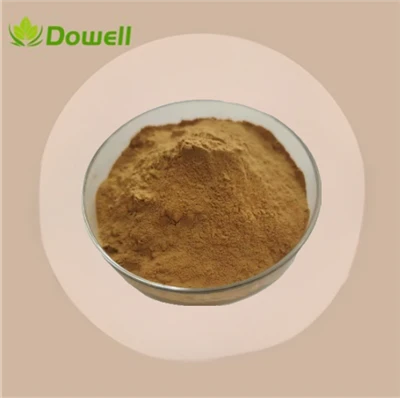
Glycolic acid powder, also known as hydroxyacetic acid powder, is a high-purity alpha hydroxy acid (AHA) with 99% typical purity. Widely applied in cosmetic formulation, industrial finishing and daily chemical production, this water-soluble crystalline powder has become a core raw material in global cross-border chemical trade. Standardized usage operation is critical to ensure product efficacy, stable formulation quality and application safety, which is a key technical reference for international buyers and downstream manufacturers.
The first step of using glycolic acid powder is scientific dilution and dissolution. As a hygroscopic acidic solid, it must be dissolved in deionized water or distilled water instead of pure hot water. The optimal water-phase temperature is controlled below 60°C, because excessive high temperature will cause active ingredient deterioration and reduce formula stability. Operators shall slowly add the powder into the solvent under continuous stirring until fully dissolved, avoiding local concentration accumulation.
Concentration control is the core of standardized application, complying with international FDA and cosmetic industry specifications. For daily cosmetic products like toners, exfoliating lotions and skincare essences, the recommended dosage concentration ranges from 1.0% to 5.0%, with a formula pH value maintained at 3.5–4.0 to balance exfoliating efficacy and skin safety. For professional beauty peeling products, the allowable concentration can reach 10%–30%, while concentrations above 30% are only applicable to medical professional operations.
In industrial fields, glycolic acid powder serves as an acidifying auxiliary agent for textile dyeing and leather tanning. The industrial usage concentration is adjusted according to processing procedures, stably adjusting system pH to promote uniform dye fixation and improve finished product texture. In all application scenarios, pH calibration is essential after dissolution, which can be fine-tuned with citric acid or baking soda to meet customized production standards.
Safe operation and storage specifications cannot be ignored in international trade and industrial production. During formulation, personal protective equipment shall be worn to avoid direct contact with skin and eyes. The prepared solution should be stored in sealed, light-proof containers and kept in a cool and dry environment. Unused powder needs moisture-proof sealing storage due to its strong hygroscopicity to prevent deliquescence and component failure.
In conclusion, standardized use of glycolic acid powder focuses on low-temperature dissolution, graded concentration control and precise pH adjustment. Strictly following international industry usage standards can maximize raw material utilization rate, stabilize product quality, and meet the quality and safety requirements of global downstream buyers in cosmetics, textile and fine chemical industries.