


Product Overview
Our bulk Vitamin D3 (Cholecalciferol) is premium fat-soluble micronutrient refined from lanolin-extracted 7-dehydrocholesterol via controlled photochemical synthesis. We manufacture three mainstream commercial grades: pure crystalline D3, high-concentration D3 oil, and cold-water dispersible CWD microencapsulated powder, fully compliant with USP, EP, ICH, FDA and global food safety norms.
Different from generic D3 raw materials in the market, our whole production line adopts amber light shielding, nitrogen-sealed spray drying and low-temperature crystallization technologies to minimize inactive isomer generation and oxidation loss, locking stable potency throughout shelf life. All batches are supported with full COA, TDS, MSDS and EDMF regulatory documents to simplify global import filing for food manufacturers, pharmaceutical factories and feed compounders. The CWD powder variant dissolves rapidly in cold water without agglomeration, compatible with tableting, beverage premix, hard capsule and feed pellet production workflows. Strict heavy metal, residual solvent and microbiology testing eliminate cross-contamination risks, holding Kosher, Halal, cGMP, ISO22000 and FSSC22000 certifications for cross-border wholesale supply.
Application
Food & Dietary Supplement Industry
- Oral solid supplements: tablets, chewables, hard/soft gelatin capsules
- Liquid nutrition: functional drinks, infant formula, milk powder, yogurt fortification
- Health food premix, multivitamin complex, bone & immune support formula
Pharmaceutical Industry
- Prescription oral D3 raw material for calcium absorption therapy
- OTC bone health preparations, pediatric vitamin drops, injection-grade intermediate
- Compound drug excipient for osteoporosis adjuvant treatment
Animal Feed & Aquaculture
- Poultry, swine, ruminant feed premix to boost livestock bone development & egg quality
- Fish/shrimp aquaculture additive for larval growth and calcium metabolism regulation
Cosmetic & Personal Care
- Lipid-based skincare serums, body cream to support skin barrier calcium balance
- Hair care oil formulations for follicle nutritional supplementation
Why Choose Us
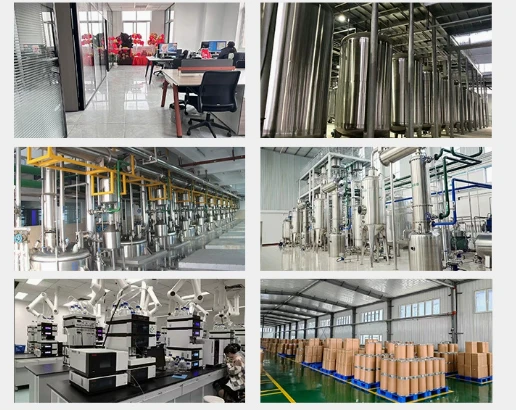
- Stable Potency Control System: Independent HPLC testing lab calibrates cholecalciferol content batch by batch; narrow potency fluctuation range avoids customer formula adjustment losses.
- Complete Global Regulatory Support: USDMF, EDMF filing available; factory FDA-registered with third-party annual cGMP audit, one-stop certification documentation for EU, US, Southeast Asia, Middle East import clearance.
- Anti-Degradation Production Craft: Full UV-blocking workshop, nitrogen blanketing filling and low-temperature storage to cut isomer impurities far below industry standard limits.
- Customizable Concentration & Matrix: Adjust IU strength, microcapsule carbohydrate carrier and oil base according to customer production equipment demands.
- Strict Safety Screening: Multi-layer ICP-MS heavy metal, GC-MS residual solvent and USP microbiology inspection; zero Salmonella/E. coli detection guarantee for all batches.
- Reliable Cold-Chain Logistics Network: Global refrigerated reefer transport, nitrogen-filled vacuum packaging to prevent oil solidification and powder oxidation during long-distance ocean shipping.
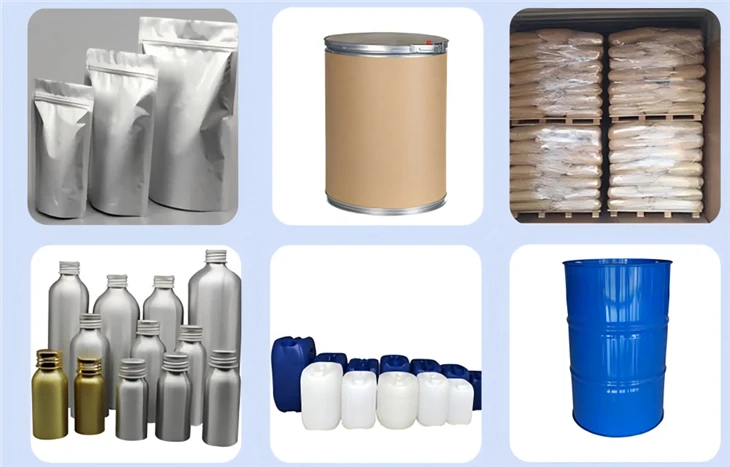
- Flexible MOQ & Bulk Supply Capacity: Support small trial orders (1–5kg) and mass bulk shipments (25kg fiber/steel drums); annual output meets 1000+ tons global export demand.
- Professional Foreign Trade Team: Multilingual technical sales provide instant COA, customs declaration data and formula matching technical guidance within 3 working hours.
OEM Service
We provide full one-stop OEM & ODM private label raw material customization service for global distributors, supplement brands and feed factories:
- Potency Customization: Tailor IU specification from 90,000 IU/g to 41,200,000 IU/g for crystalline, oil and CWD powder forms.
- Carrier Matrix Customization: Adjust microencapsulation wall material (maltodextrin, gum arabic) and D3 oil base (MCT, vegetable oil) as requested.
- Packaging OEM: Custom private label stickers, customized 1kg/5kg canisters, printed 25kg export drums with client brand logo; triple-layer light-proof vacuum bag inner packaging.
- Formula Matching Support: R&D lab provides free compatibility test for mixing with Vitamin A/E/K2, calcium citrate and mineral premixes.
- Document OEM: Generate client-branded COA, TDS, MSDS and batch traceability reports for local market registration.
- Low MOQ Trial Customization: Accept small-batch tailored production for startup brands before large-scale bulk cooperation.
- Export Label Compliance: Custom packaging labels meet EU CLP, US FDA food labeling and Halal/Kosher marking requirements.
Packaging, Storage & Logistics Options

Lab sample: 10g, 100g aluminum foil vacuum bag
Industrial bulk: 25kg fiber drum with double PE inner bag
Sea FOB shipping for large batch orders, air express for small trial samples
1.Express Delivery
3-5 days for shipments under 100 kg
Door-to-door service
2.Ocean Freight
Over 300 kg: Approximately 30 days. Port-to-port service requires a professional customs clearance agent.
3.Air Freight
100kg-1000kg, 5-7 days
Airport-to-airport service, requires a professional customs clearance agent

FAQ
Q1: What raw material source do you use for Vitamin D3 production?
A: Our Vitamin D3 is synthesized from lanolin-derived 7-dehydrocholesterol, no animal bone/liver extract added; full raw material traceability records available for every shipment.
Q2: How do you guarantee D3 potency stability during long ocean transit?
A: All goods adopt nitrogen-sealed light-blocking packaging and full reefer cold chain transport below 15°C; amber UV-shielded containers prevent photodegradation, avoiding potency drop in cross-season shipping.
Q3: Is your CWD Vitamin D3 powder suitable for high-pressure tableting production?
A: Yes. The carbohydrate microcapsule matrix is compression-resistant, protecting inner lipid D3 core under standard tableting mechanical shear without potency loss or demixing.
Q4: What certifications can you provide for EU & US customs clearance?
A: We supply cGMP, ISO22000, FSSC22000, Kosher, Halal certificates, USDMF, EDMF, batch COA, MSDS and residual solvent test reports complying with ICH Q3C.
Q5: What is the shelf life of your three D3 grades under proper storage?
A: Pure crystalline D3: 24 months; Vitamin D3 oil: 18 months; CWD cold-water dispersible powder: 20 months, stored sealed below 15°C away from sunlight.
Q6: Can you offer custom low-potency premix D3 for infant formula use?
A: Available. Our factory follows strict infant food-grade impurity limits, with extra low heavy metal and pre-Vitamin D3 content, fully matching infant nutrition additive standards.
Q7: How to solve D3 oil solidification risk during winter cross-border delivery?
A: We arrange temperature-controlled reefer containers maintained above crystallization threshold; insulated outer cartons prevent oil coagulation in low-temperature winter transit.
Q8: What is your order MOQ and delivery lead time for bulk export?
A: Trial order MOQ: 1kg; bulk wholesale MOQ: 25kg. Standard lead time 7–10 working days after deposit; rush order 3–5 days for urgent import demands.

Send inquiry or contact us to get free sample, and learn more details about it.
Hot Tags: Vitamin D3 (Cholecalciferol) Bulk Raw Material | Food & Pharma Grade Fat-Soluble Vitamin, China Vitamin D3 (Cholecalciferol) Bulk Raw Material | Food & Pharma Grade Fat-Soluble Vitamin manufacturers, suppliers, factory, chewable vitamins, top rated vitamins, vitamin b7, vitamin d3, vitamin purity test, vitamin research


