
Product Overview
Vitamin A is a fat-soluble retinoid used in food, feed, supplement, and pharmaceutical applications.
Technical Specifications
|
Parameters |
Vitamin A Palmitate (Powder) |
Vitamin A Palmitate (Oil) |
Vitamin A Acetate (Powder) |
Vitamin A Acetate (Oil) |
|
CAS Number |
79-81-2 |
79-81-2 |
127-47-9 |
127-47-9 |
|
Assay (Chemical Purity) |
95.0%–105.0% |
95.0%–105.0% |
95.0%–105.0% |
95.0%–105.0% |
|
Potency (Biological Activity) |
250,000 IU/g |
1.0M / 1.7M IU/g |
325K / 500K IU/g |
1.0M / 2.8M IU/g (Pure Retinol ≈ 3.33M IU/g) |
|
Appearance |
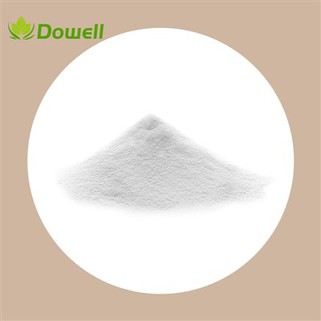
Light yellow free-flowing powder |
Yellow to yellow-brown viscous liquid |
Light yellow crystalline powder |
Yellow to yellow-brown oily liquid |
|
Solubility |
Cold-water dispersible (CWS); forms stable emulsion in water |
Oil-soluble; insoluble in water |
Fat-soluble or water-dispersible depending on processing |
Fat-soluble; insoluble in water |
|
Melting Point |
- (Microencapsulated powder, no fixed MP) |
- (Liquid under normal conditions) |
- (Microencapsulated powder, no fixed MP) |
62–64°C (pure crystalline reference) |
|
Boiling Point |
- |
- |
- |
137–138°C (0.1 mmHg) |
|
UV Absorption (λmax) |
325–328 nm (determined after extraction) |
325–328 nm |
325–328 nm (determined after extraction) |
325–328 nm |
|
Loss on Drying |
≤5.0% |
- (typically moisture ≤0.5%) |
≤5.0% |
- (typically moisture ≤0.5%) |
|
Heavy Metals |
≤10 ppm |
≤10 ppm |
≤10 ppm |
≤10 ppm |
|
Arsenic (As) |
≤1 ppm |
≤1 ppm |
≤1 ppm |
≤1 ppm |
|
Residue on Ignition |
≤0.1% |
≤0.1% |
≤0.1% |
≤0.1% |
|
Stability |
Microencapsulated; improved light/oxidation resistance |
Highly sensitive to air, light, and heat; stabilized with antioxidants |
Stable under cool, dry, sealed conditions |
Highly sensitive to oxidation, light, and heat |
|
Storage |
Cool, dry, light-protected conditions |
2–8°C, nitrogen-filled, light-protected |
Cool, dry, sealed conditions |
2–8°C, nitrogen-filled, light-protected |
Regulatory Compliance & Quality Assurance
Isomer Profile Control: Chromatographic testing monitors cis-isomer content and all-trans retinoid levels.
Stabilizer Disclosure: Antioxidant additions like BHT, BHA, or Tocopherol comply with target market regulations.
Carrier Ingredient Grading: Gelatin, starch, and dextrin carriers comply with applicable food-grade standards.
Retinoid Degradation Limits: Related substances and degradation products are quantified per pharmacopeia limits.
Residual Solvent Monitoring: Residual solvent testing follows ICH Q3C requirements.
Manufacturing Facility & Production Capacity
Dedicated Retinoid Synthesis:Chemical reactors are used for Grignard and Wittig condensation processes.
High-Vacuum Molecular Distillation: Thin-film distillation units are used during ester oil purification.
Microencapsulation Spray Granulation: Fluid-bed spray granulators are used for cold-water dispersible formulations.
Anaerobic Explosion-Proof Processing: Production areas are equipped for solvent-based processing under nitrogen protection.
Industrial Scale Esterification: Acetylation and palmitation lines support commercial-scale production of Vitamin A derivatives.
Supply Chain & Documentation Support
Cold-Chain Logistics Management: Refrigerated shipping options are available for temperature-sensitive products.
Inert Gas Packaging: Multi-layer aluminum foil drums may be vacuum sealed and nitrogen flushed before shipment.
Batch-Specific Retinol Certification: Each shipment includes a Certificate of Analysis with potency test results.
Regulatory Dossier Availability: Technical dossiers and supporting documentation are available upon request.
Matrix Ingredient Transparency: Allergen, GMO status, and carrier ingredient statements are available upon request.
FAQ
Q: How are cis-isomer levels managed during factory scale-up?
A: Process parameters and synthesis temperatures are monitored to control all-trans retinoid content.
Q: Why does the powder form dissolve without forming oil droplets?
A: The embedded carbohydrate matrix acts as a protective colloid, enabling rapid dispersion in aqueous phases.
Q: What secondary packaging prevents degradation during oceanic freight?
A: Heavy-duty aluminum drums with protective inner liners undergo mechanical nitrogen flushing before container sealing.
Q: How is cross-contamination prevented on the multi-derivative lines?
A: Validated clean-in-place protocols isolate acetylation and palmitation chemical processing blocks between manufacturing shifts.
Q: What temperature threshold triggers cold-chain logistics intervention?
A: Temperature excursions are reviewed according to documented storage procedures.
Hot Tags: vitamin a, China vitamin a manufacturers, suppliers, factory